2021 slang refers to the words, phrases, and abbreviations that became popular that year, mostly through TikTok, Twitter, and texting.
Terms like “no cap,” “sus,” “bussin,” and “big yikes” spread fast among teens and young adults, blending gaming, meme culture, and everyday chat into a shared online language.
Key Takeaways
- 2021 slang mostly grew out of TikTok, gaming, and meme culture.
- Many terms, like “sus” and “no cap,” had roots in earlier internet or gaming communities before going mainstream that year.
- The tone is usually playful, casual, and informal, not meant for professional settings.
- Some 2021 slang terms are still used today, while others have faded as new trends took over.
- Gen Z was the main group using this slang, though it spread to millennials too.
If you scrolled through TikTok or texted a teenager in 2021, you probably ran into words that made zero sense at first. That’s the whole point of 2021 slang. It was quick, catchy, and built for short videos and even shorter attention spans.
People search for 2021 slang for a few reasons. Some want to understand what their kids or younger coworkers are saying. Others are looking back at old texts or videos and trying to remember what a word meant. And some just enjoy tracking how language changes year by year.
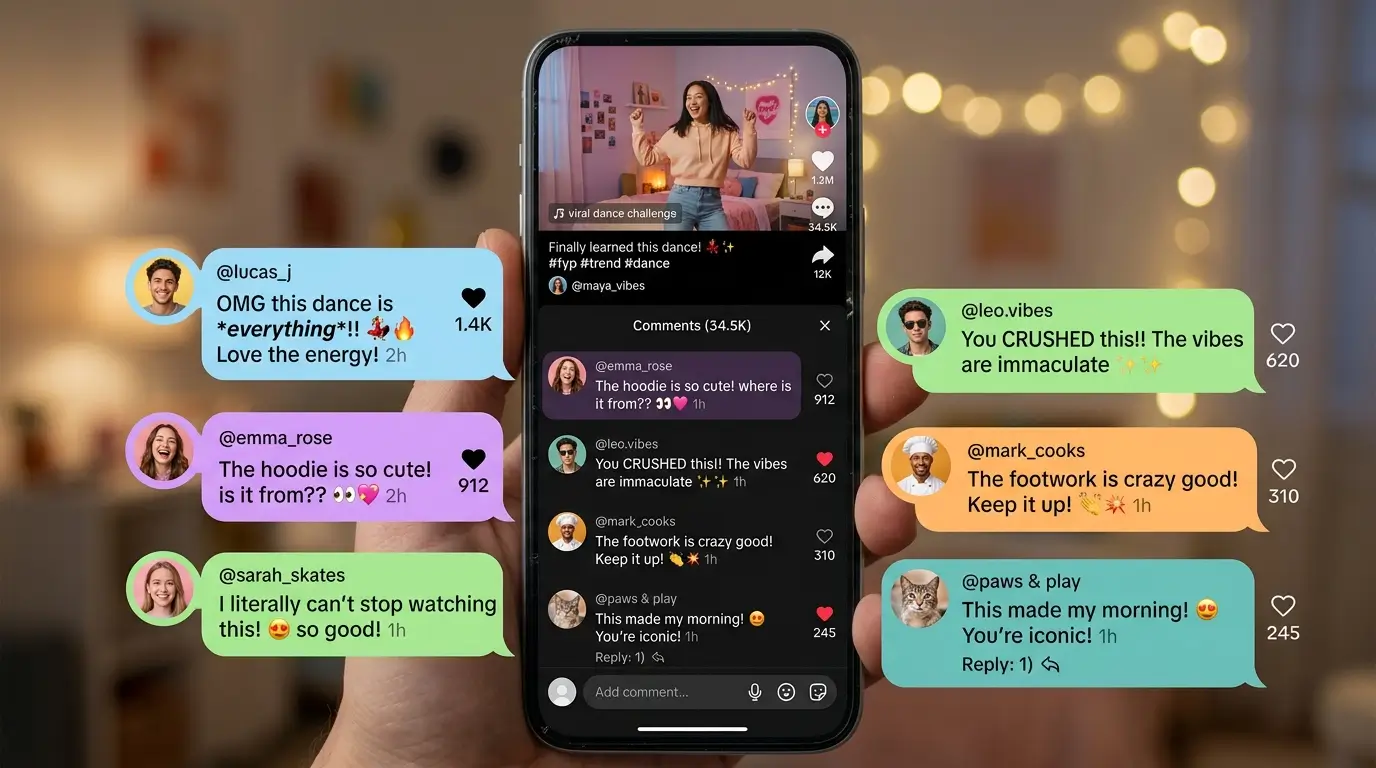
This slang mostly lived on TikTok, Twitter (now X), and in group chats. It didn’t stay confined to any one app for long, though. Words jumped from gaming Discord servers to TikTok comment sections to everyday texting within weeks.
Is 2021 slang still used today? Some of it, yes. Words like “no cap” and “sus” stuck around and are still common in casual speech. Others, like certain meme-based phrases, quietly disappeared once the joke ran its course. That’s normal for internet slang: some terms have staying power, and others are tied to a specific moment.
Next, breaks down what these words mean, where they came from, and how people actually used them in real conversations, texts, and captions.
What Does 2021 Slang Mean?
2021 slang is the collection of informal words and phrases that were widely used that year, mostly by teens and young adults online. It’s not a single term; it’s a whole vocabulary shaped by the internet culture of that specific year.
Some of the most recognizable examples from 2021 include:
- No cap > meaning “no lie” or “for real”.
- Sus > short for “suspicious,” popularized further by the game Among Us.
- Bussin > used to describe food (or sometimes anything) that’s really good.
- Big yikes > an exaggerated way of saying something is embarrassing.
- Simp > someone seen as being overly attentive to a person they like.
- Cheugy > used to describe something considered outdated or trying too hard.
- Vibe check > a casual assessment of someone’s mood or energy.
- Slay > meaning to do something extremely well.
These words weren’t created in a vacuum. Most were built on slang that already existed in gaming, hip-hop culture, or earlier internet trends, and then got a boost from short-form video apps in 2021.
Quick Meaning Box
| Meaning | Simple Explanation |
| No cap | Telling the truth, not exaggerating |
| Sus | Something or someone seems suspicious |
| Bussin | Really good, especially describing food |
| Big yikes | Something embarrassing or cringeworthy |
| Simp | Someone acting overly devoted to a crush |
| Cheugy | Outdated or trying too hard to be trendy |
| Vibe check | Checking someone’s mood or energy |
| Slay | Doing something impressively well |
Pronunciation
Most 2021 slang terms are pronounced exactly as they’re spelled, since they’re built from everyday English words. A few notes:
- “Sus” rhymes with “bus” (suhss).
- “Bussin” is pronounced “buh-sin”.
- “Cheugy” is pronounced “CHOO-gee”.
Where Does 2021 Slang Come From?
Most 2021 slang didn’t start in 2021. It came from gaming communities, Black culture and AAVE, and earlier internet forums, then spread widely once TikTok made short videos the main way people shared language.
For example, “sus” existed in slang for decades as short for “suspicious,” but it exploded in popularity again because of the game Among Us, which had a huge resurgence during the pandemic. “No cap” has roots in hip-hop slang going back years before 2021.
“Cheugy” is one of the few terms that genuinely originated in 2021, coined by a young woman on TikTok to describe things that felt slightly out of touch with current trends.
The exact origin of some terms is unclear, especially ones that spread through private group chats or small online communities before going viral. Slang rarely has one clean origin story; it usually evolves across several platforms and communities before most people notice it.
History of the Term
2021 slang was built directly on 2020’s pandemic-era internet culture, when more people than ever were online and consuming short-form content. As TikTok usage grew, so did the speed at which new words spread.
Early 2021 saw gaming slang like “sus” surge because of Among Us. By mid-2021, “cheugy” had gone viral after a TikTok video defined it, and outlets picked up the story soon after.
Later in the year, “bussin” and “big yikes” were common in comment sections and captions.
Some of these words saw a resurgence in later years too. “No cap” and “sus” are still used in casual conversation today, while others like “cheugy” became more of a nostalgic reference to that specific time period.
How People Use It Today
People still use some 2021 slang on TikTok, Instagram, and in texting, though usage has naturally shifted as new trends emerged.
Words like “no cap,” “sus,” and “slay” remain common in casual chat and comments. Others are used more ironically now, as a nod to 2021 internet culture specifically.
On TikTok and Instagram, these words often show up in captions or comments. In texting and Discord chats, they’re used more casually in everyday conversation between friends.
2021 Slang Words
“2021 slang words” usually refers to single terms rather than full phrases, words like “sus,” “simp,” “bussin,” and “cheugy.” These are typically adjectives or short descriptors dropped into a sentence to add tone or emphasis.
2021 Slang Phrases
“2021 slang phrases” covers multi-word expressions like “no cap,” “big yikes,” and “vibe check.” These work more like complete expressions than single descriptive words, often standing alone as a full reaction or comment.
2021 Slang Words List
A basic 2021 slang words list would include: no cap, sus, bussin, big yikes, simp, cheugy, vibe check, slay, mood, and hits different. Each of these had its own wave of popularity throughout the year, with some overlapping and others peaking at different points.
2021 Slang Urban Dictionary
Urban Dictionary was a common place people turned to look up unfamiliar 2021 slang, since it’s a crowdsourced site where users submit definitions.
It’s worth noting that Urban Dictionary entries are written by everyday users, not linguists, so definitions can vary in accuracy and sometimes include jokes or exaggerations rather than the most common real-world meaning.
Popular Slang in 2021
The most popular slang in 2021 centered on short, punchy words that worked well in captions and comments.
“No cap,” “sus,” and “bussin” were among the most widely used because they fit naturally into casual sentences without needing much explanation.
What Are the New Slang Words for 2021?
The newest slang words that year included “cheugy,” which was one of the few terms that genuinely originated in 2021 rather than being recycled from earlier slang. Other terms felt new to a wider audience even though they’d existed in smaller communities before.
Gen Z Slang 2021
Gen Z was the primary group using and spreading 2021 slang, especially through TikTok. Since Gen Z made up a large share of TikTok’s user base that year, their specific way of talking shaped what counted as mainstream internet slang.
2021 TikTok Slang
TikTok was the biggest driver of 2021 slang, turning niche words into terms millions of people recognized within days. A single viral video explaining a word, like the one that introduced “cheugy,” could push a term into everyday use almost overnight.
2021 Internet Slang
Beyond TikTok, 2021 internet slang also spread through Twitter threads, Discord servers, and gaming chat. These platforms often introduced words before they crossed over into mainstream use on more visual apps like TikTok and Instagram.
2021 Teen Slang
Teen slang in 2021 leaned heavily on humor and exaggeration, with words like “big yikes” and “dead” (meaning something is extremely funny) used to react to everything from memes to daily life. Teens often used this slang as a quick way to show they were in on current trends.
Examples in Everyday Conversation
- “That new burger place is bussin, we have to go back.”
- “He’s being kind of sus about where he was last night.”
- “No cap, that was the best movie I’ve seen all year.”
- “Big yikes, I can’t believe I said that out loud.”
- “She’s such a simp for her favorite streamer.”
- “That outfit is giving cheugy vibes, not gonna lie.”
- “Let’s do a vibe check before we go inside.”
- “You totally slayed that presentation today.”
- “This song hits different at night.”
- “I’m in a weird mood, don’t mind me.”
Text Message Examples
- “omg that test was so sus, half the questions were wrong”.
- “no cap this pizza place is the best one in town”.
- “big yikes just saw my old texts lol”.
- “he’s such a simp it’s kind of funny”.
- “ngl that outfit is giving cheugy energy”.
- “Vibe check, how’s everyone doing tonight”.
- “you slayed that interview, so proud of you”.
- “This playlist hits different when it’s raining”.
- “In my mood rn, don’t text me back yet”.
- “That food was bussin, we’re definitely going again”.
Social Media Caption Examples
- Instagram: “No cap, this sunset is unreal 🌅”.
- TikTok: “POV: your food is bussin, and you can’t stop eating”.
- X: “big yikes, rewatching old vlogs is humbling”.
- Instagram: “vibe check ✅ we’re good”.
- TikTok: “this is giving cheugy, and I’m not mad about it”.
- Threads: “she slayed that performance, no debate”.
- Facebook: “throwback to when we were all obsessed with this song, still hits different”.
- TikTok: “sus behavior from my cat today”.
- X: “in my main character mood today”.
- Instagram: “simp szn is officially here 😂”.
Is It Positive or Negative?
Most 2021 slang is meant to be lighthearted and playful, not mean-spirited. Words like “bussin,” “slay,” and “no cap” are usually positive or neutral.
Others, like “sus” or “cheugy,” can carry a mild negative or teasing tone, but they’re rarely meant as serious insults.
Misunderstandings can happen when older or unfamiliar readers take a playful term too literally. For example, calling something “cheugy” is usually a light joke about being slightly behind on trends, not a harsh criticism.
Who Uses This Slang?
Gen Z teens and young adults were the main users of 2021 slang, especially on TikTok and in texting. Gamers contributed heavily to terms like “sus.” Millennials picked up some of the slang too, often through their kids, younger coworkers, or general exposure on social media. Regional differences existed, but most of these terms spread nationally and even internationally through shared platforms rather than staying local.
Similar Slang Words
| Slang | Meaning |
| Fire | Something excellent or impressive |
| Lit | Exciting or fun |
| Cap | A lie or exaggeration |
| Extra | Overly dramatic |
| Salty | Bitter or annoyed |
| Mid | Average or unimpressive |
Opposite Words
- Cap: the opposite of “no cap,” meaning something is a lie or exaggeration.
- Mid: the opposite of “bussin” or “fire,” meaning something is unimpressive.
- Basic: somewhat opposite of “slay,” suggesting something ordinary rather than impressive.
Common Mistakes
People sometimes misuse “sus” to mean something is simply bad, rather than specifically suspicious.
Another common mistake is spelling “bussin” as “bustin,” which changes the word entirely. Some also confuse “cheugy” with just meaning “old,” when it actually refers more specifically to trying too hard with outdated trends.
When NOT to Use It
Avoid 2021 slang in professional emails, school assignments, job applications, or formal writing. These settings expect clear, standard language, and slang can come across as unprofessional or confusing to readers who aren’t familiar with internet culture.
It’s best kept for texting, social media, and casual conversation with friends.
Fun Facts
- “Sus” is much older than 2021 but saw a huge boost from the game Among Us.
- “Cheugy” was coined by a young woman on TikTok and later covered by mainstream news outlets.
- “No cap” has roots in hip-hop slang that predate its 2021 popularity by years.
- TikTok’s short video format helped slang spread faster than it did on earlier platforms like Twitter alone.
- Some 2021 slang terms are now considered dated, showing how quickly online language cycles change.
Frequently Asked Questions
What was the slang in 2021?
2021 slang included terms like “no cap,” “sus,” “bussin,” “big yikes,” “simp,” and “cheugy.” Most of it spread through TikTok, gaming communities, and texting. These words were generally short, expressive, and easy to drop into casual conversation. Some had been around for a while in smaller communities before becoming widely recognized that year, while a few, like “cheugy,” were newly coined in 2021 itself.
What is Gen Z slang?
Gen Z slang refers to the informal words and phrases used mainly by people born roughly between the late 1990s and early 2010s. It tends to change quickly, spread through short-form video apps, and blend humor with exaggeration. Words often shift meaning or fall out of use within a year or two, which is part of what makes tracking Gen Z slang tricky for anyone outside that age group.
What are the popular words for 2021?
Some of the most popular words that year were “no cap,” “sus,” “bussin,” and “slay.” These terms were common in captions, comments, and everyday texting. Their popularity came largely from how easily they fit into short, casual sentences, which made them ideal for fast-paced platforms like TikTok and Twitter.
What are 2020 slang words?
2020 slang words included terms like “cap,” “vibe,” “quarantine and chill,” and “Karen,” many shaped by the early pandemic and increased time spent online. Some of these carried over into 2021 and evolved further, while others were tied specifically to that year’s unique circumstances, like lockdowns and remote learning.
Final Thoughts
2021 slang captures a specific moment when short videos, gaming, and texting culture all collided to create a fast-moving, shared vocabulary.
Some words from that year, like “no cap” and “sus,” have stuck around and still feel current. Others quietly faded once the moment passed.
Looking back at these words is a fun way to remember what that year felt like online. If you’re trying to understand an old text, a group chat from a few years back, or just curious about how language changes so quickly, 2021 slang offers a small snapshot of internet culture at a very particular time.

Sarah Mitchell is a content writer at Slang Insight, passionate about internet culture, trending phrases, and the ever-changing world of digital communication. With a keen eye for spotting new slang before it goes viral, Sarah loves breaking down complex expressions into simple, relatable explanations for readers of all ages.