“Ash” is internet slang short for “as hell.” People add it right after an adjective to make a feeling stronger, like “tired ash” (tired as hell) or “cold ash” (cold as hell).
It’s casual, popular with Gen Z, and shows up most on TikTok, Instagram, and in everyday texting.
Key Takeaways
- “Ash” is a shortened, spoken-style version of “as hell,” used as an intensifier.
- It usually follows an adjective: “hot ash,” “funny ash,” “bad ash.”
- The exact origin is unclear, but it likely comes from how “as hell” sounds when said quickly in casual speech.
- It’s most common in texting and on TikTok, Instagram, and X.
- The tone is casual and informal, fine for friends, not for formal writing.
- It can sound positive, negative, or neutral depending on the adjective it follows.
“Ash” is slang short for “as hell,” used right after an adjective to make it stronger, like “fire ash” or “cold ash.”
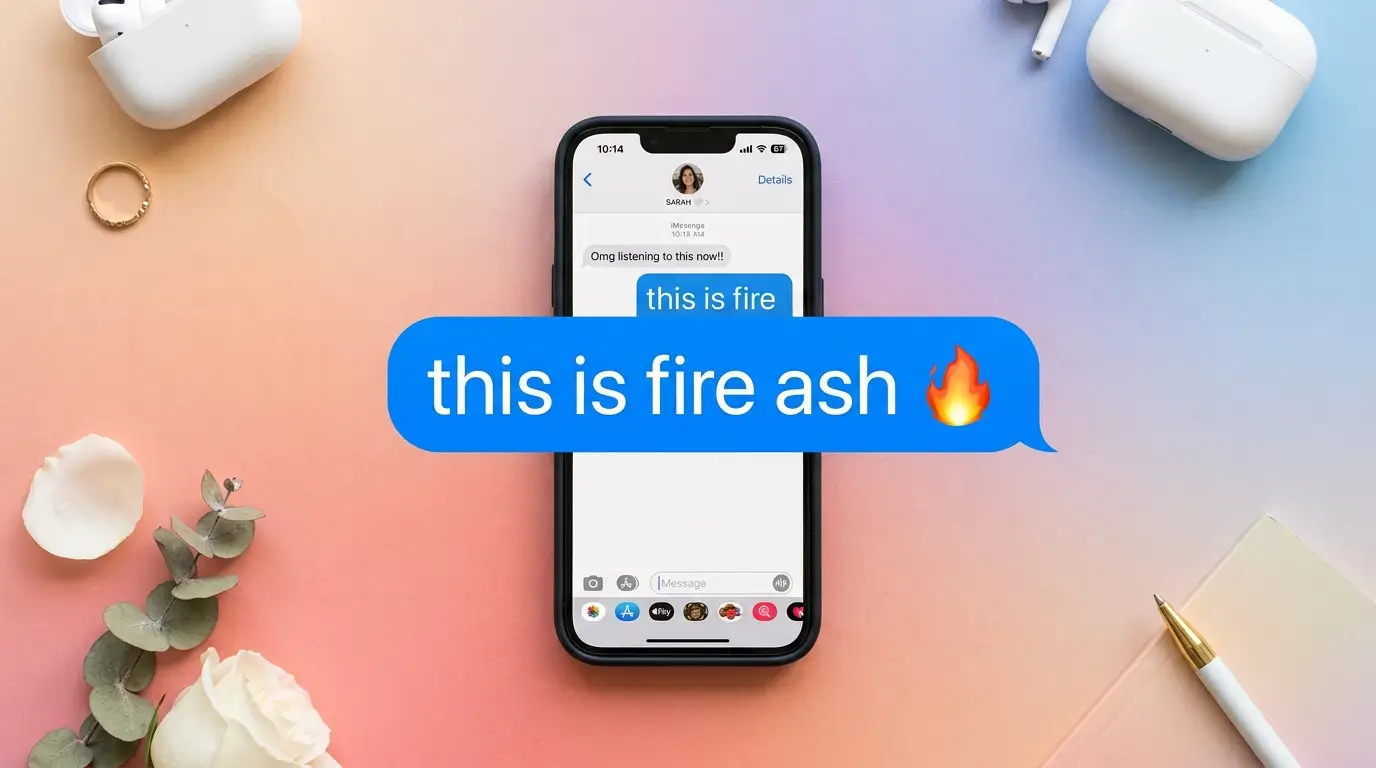
If you’ve scrolled through TikTok comments or gotten a text that said something like “this song is fire ash,” you’ve probably paused for a second. Is “ash” a typo? A new word? A reference to something else entirely?
It’s none of those things. Once you know what it means, you’ll start noticing it everywhere in captions, comments, group chats, and casual conversation. People search for the ash meaning slang because it pops up so often online that it starts to feel like everyone already knows it except them.
The term is mostly used by younger internet users, especially Gen Z, but it’s spreading fast enough that older users and parents are running into it too.
It shows up most in texting, social media captions, comment sections, and Discord chats. It’s still actively used today, not a dead trend, which is part of why search interest keeps climbing.
What Does Ash Meaning Slang Mean?
“Ash” is a slang intensifier that means “as hell.” It’s placed after an adjective to make that adjective feel more extreme.
Think of it like the words “super,” “very,” or “really.” If someone says “that movie was scary ash,” they mean the movie was extremely scary, as scary as hell. The word doesn’t have its own independent meaning outside of this role. It’s a booster word, not a standalone description.
A few quick examples:
- “This pizza is good ash.” → This pizza is really good.
- “That test was hard ash.” → That test was extremely hard.
- “She’s smart ash.” → She’s very smart.
Because it’s an intensifier, “ash” rarely appears alone. It needs an adjective in front of it to make sense.
Saying just “ash” by itself, without context, usually doesn’t carry this slang meaning at all; it would more likely refer to burnt ash, the tree, or someone’s name.
Quick Meaning Box
| Meaning | Simple Explanation |
| Intensifier | Short for “as hell,” used to make an adjective stronger. |
| Placement | Comes right after an adjective (“cold ash,” “wild ash”). |
| Tone | Casual, informal, used in texting and social media. |
| Common users | Mostly Gen Z, spreading to younger millennials. |
Pronunciation
“Ash” is pronounced just like it looks: /æʃ/, rhyming with “cash,” “dash,” and “trash.” There’s no hidden pronunciation trick here; it sounds like the ash you’d get from a burnt-out fire, which is part of why it can look confusing in text at first glance.
When people say it out loud in slang form, it comes out as a quick, clipped sound, almost like the “hell” in “as hell” got trimmed down to just its ending.
Where Does Ash Meaning Slang Come From?
The exact origin is unclear, but the most widely repeated explanation is that “ash” grew out of the phrase “as hell” said quickly in casual speech. Over time, that fast, clipped pronunciation got typed out as “ash” instead of the full two words.
This kind of shortening isn’t new. Phrases like “tired as hell” or “cold as hell” have been part of casual English for a long time, long before texting existed.
As messaging and social media pushed people toward shorter, punchier phrasing, “as hell” likely got compressed for speed and style, eventually landing on the spelling “ash.”
Some slang researchers and word-trend writers connect this kind of rhythmic shortening to patterns found in African American Vernacular English (AAVE) and broader youth internet culture, where quick delivery and clipped phrasing shape how words evolve and spread online.
It’s worth being upfront here: there’s no single dated “first use” of “ash” the way there is for some slang terms, and no verified original poster or platform has been confirmed. What’s clear is that it built momentum through short-form video and texting culture rather than through any one person or moment.
Evolution of the Term
“Ash” doesn’t have a long, documented written history the way older slang terms do. It’s a product of spoken shorthand meeting internet-speed text culture.
The phrase it’s based on, “as hell,” has been used as an intensifier in English for generations, in phrases like “hungry as hell” or “loud as hell.”
What changed is the spelling. As short-form video content and quick texting became the main way younger users communicate, that spoken sound got typed out phonetically, and “ash” became its own recognizable written form.
Its recent rise in visibility lines up with the growth of TikTok and Instagram Reels as dominant spaces for casual youth slang.
Comment sections and captions move fast, and short intensifiers like “ash” fit that pace better than a full phrase like “as hell” would.
There’s no evidence of the word fadin; if anything, it’s held steady or grown as more people encounter it in comments and captions and start asking what it means.
How People Use It Today
Today, “ash” mostly lives in text-based casual communication rather than spoken conversation. It shows up constantly in TikTok comments, Instagram captions, X posts, and everyday texting between friends.
On TikTok, it often appears in comment sections reacting to a video: “this is funny ash.” Instagram, people use it in captions to add emphasis to a mood or moment.
On X (formerly Twitter), it fits naturally into short, punchy posts where space and tone matter. In texting, it works the same way it does on social media as a quick way to add emphasis without typing out “as hell” in full.
It’s less common in voice chat apps like Discord unless users are typing rather than talking, since the term is really a written shorthand for a spoken phrase.
Ash Meaning Slang on TikTok
On TikTok, “ash” is used constantly in comments and captions to react to something with extra emphasis. A comment like “this is wild ash” under a video means the person found it extremely wild or surprising. It fits TikTok’s fast, casual comment culture, where short intensifiers get more attention than long sentences.
Ash Meaning Slang in Text Messages
In texting, “ash” works exactly the way it does everywhere else: it boosts whatever adjective comes before it.
A text like “this line is long ash” simply means the line is extremely long. It’s a quick way to add emotional weight to a message without typing extra words or using all caps for emphasis.
Ash Meaning Slang in Spanish
“Ash” also exists separately in Spanish, but with a completely different meaning and origin. In Spanish, “ash” (often written “ash” or “ay” depending on region) can function as an exclamation, similar to saying “ugh” or “oh man” in English, expressing mild frustration, surprise, or annoyance.
This is a distinct usage from the English “as hell” intensifier and isn’t connected to it linguistically; they just happen to look similar in writing.
If you see “ash” used as a standalone reaction in Spanish-language posts or messages, it’s almost certainly this exclamation, not the English intensifier.
Ash Meaning Slang on Urban Dictionary
Urban Dictionary is a crowd-submitted slang site, so definitions there vary by entry and aren’t professionally verified. Multiple entries on the site describe “ash” as slang for “as hell,” matching the widely used intensifier meaning covered in this guide.
Because anyone can submit a definition, it’s worth treating Urban Dictionary as a starting point for spotting a term’s usage rather than a confirmed, authoritative source on origin or history.
Bad Ash Meaning Slang
“Bad ash” means “bad as hell.” Depending on context, this can mean something is genuinely terrible (“that movie was bad ash”) or, in some regional and cultural usage, “bad” can flip to mean impressive or attractive, similar to how “bad” alone sometimes means “good” in casual slang.
Context and tone matter a lot here, so pay attention to how the rest of the sentence or conversation is going.
Tuff Ash Meaning Slang
A slang spelling of “tough,” often used to mean cool, impressive, or admirable rather than literally difficult.
“Tuff ash” means something is extremely cool or impressive. “That outfit is tuff ash” means the outfit looks really good.
Pretty Ash Meaning Slang
“Pretty ash” means “pretty as hell,” used to describe someone or something as extremely attractive or good-looking. It’s a straightforward compliment intensifier, most often used about a person’s appearance.
Dry Ash Meaning Slang
“Dry” in slang usually means boring, unenthusiastic, or lacking personality, not literally lacking moisture. Means something or someone is dull, like “that party was dry as a bone.”
Fine Ash Meaning Slang
“Fine ash” means “fine as hell,” a common way to call someone very attractive.
It’s one of the most frequently used combinations, especially in comments reacting to photos or videos of people.
Cool Ash Meaning Slang
“Cool ash” simply means very cool or impressive. It’s a straightforward, positive combination used to react to something admirable, stylish, or well done.
Cold Ash Meaning Slang
“Cold ash” can be used literally, meaning extremely cold temperature-wise, or figuratively, meaning something is impressively harsh, severe, or unbothered, similar to calling a comeback or insult “cold.”
Context decides which meaning applies.
Hard Ash Meaning Slang
“Hard ash” means “hard as hell,” which can describe something literally difficult (“that exam was hard ash”) or, in some slang usage, something impressively intense or skillfully done, similar to calling a song or performance “hard.”
Fake Ash Meaning Slang
“Fake ash” means “fake as hell,” used to call out something or someone as clearly dishonest, insincere, or not genuine. It’s often used about people’s behavior or personalities rather than objects.
Hot Ash Meaning Slang
“Hot ash” means “hot as hell.” Like “cold ash,” it works both literally (extreme temperature) and figuratively, where it can describe someone as very attractive or describe something as currently trending or popular.
Examples in Everyday Conversation
- “Bro, this weather is hot ash today.”
- “Did you see her new haircut? She looks fine ash.”
- “That homework was long ash, I almost gave up.”
- “Ngl this coffee is bitter ash.”
- “He’s funny ash, I can’t stop laughing.”
- “This traffic is slow ash right now.”
- “Their new song is fire, the beat’s hard ash.”
- “That excuse sounds fake ash, be honest.”
- “It’s quiet ash in here, where’d everyone go?”
- “This gym is packed ash on Mondays.”
Text Message Examples
- “omg this line is long ash “
- “the exam was hard ash, I’m cooked”
- “ur outfit is tuff ash today”
- “this pizza place is expensive ash now”
- “he’s dry ash on the phone lol”
- “It’s cold ash outside rn, bring a jacket”
- “That show was boring, Ash tbh”
- “She’s smart, Ash, top of the class”
- This app keeps crashing, annoying ash”
- “The concert was loud, ash but worth it”
Social Media Caption Examples
- Instagram: “sunset was pretty ash tonight “
- TikTok comment: “this trend is funny ash”
- X post: “gas prices are high ash rn”
- Threads: “this thread is chaotic ash lol”
- Facebook: “the food at this place is good ash, highly recommend”
- Instagram story reply: “you look cool ash in this pic”
- TikTok caption: “day 3 of this workout and I’m sore ash”
- X reply: “that take is bold ash lol”
- Instagram caption: “finals week got me tired ash”
- TikTok comment: “this dance is hard ash to learn”
Is Ash Meaning Slang Positive or Negative?
“Ash” itself is neutral; it’s just an intensifier, so its tone entirely depends on the adjective attached to it. “Pretty ash” is a compliment. “Fake ash” is an insult. The word doesn’t carry emotional weight on its own; it simply amplifies whatever comes before it.
Because of this, it’s rarely rude on its own, but it can sound blunt or overly casual depending on the setting.
Using it around close friends or in casual social posts reads as normal and fun. Using it in a more formal or unfamiliar setting can come across as careless or overly informal, even if no offense was intended.
Misunderstandings usually happen when someone unfamiliar with the slang reads “ash” literally, especially in a sentence like “that’s sad ash,” and briefly wonders if it’s a typo or an unrelated reference before the meaning clicks.
Who Uses This Slang?
“Ash” is used mainly by Gen Z, roughly people currently in their teens through mid-twenties, who grew up communicating primarily through texting and short-form video apps. It’s especially common among users active on TikTok, Instagram, and X.
Younger millennials who spend significant time on the same platforms have picked it up as well, largely through exposure to comment sections and captions rather than originating it themselves.
It’s not strongly tied to gaming culture specifically, but gamers who are active in the same age range and platforms use it the same way anyone else in that demographic would, as a quick, casual intensifier in chat and comments.
Similar Slang Words
| Slang | Meaning |
| AF | Short for “as f***,” another intensifier meaning “extremely”. |
| Hella | Regional intensifier meaning “very” or “a lot,” associated with Northern California. |
| Extra | Describes someone or something as over-the-top or dramatic. |
| Deadass | Means “seriously” or “for real,” used to emphasize honesty. |
| Lowkey | Means “kind of” or “somewhat,” the opposite direction of intensity from “ash”. |
Opposite Words
- Lowkey – Downplays something instead of intensifying it (“lowkey tired” means only somewhat tired).
- Kinda / Sorta – Softens an adjective rather than boosting it.
- Mildly – A more formal, toned-down alternative to an intensifier like “ash.”
- A little – Directly reduces intensity instead of amplifying it.
Common Mistakes
People new to the term sometimes assume “ash” is always literal, connected to burnt ash, and get confused when it shows up mid-sentence attached to an unrelated adjective.
Others mistype it as “ashh” or “assh,” which can look like a typo of a different, more explicit word; it’s worth double-checking spelling in writing to avoid that mix-up.
Another common mistake is using “ash” without an adjective in front of it, which strips it of its slang meaning entirely and just reads as the regular word “ash.”
Some people also confuse it with the name “Ash,” especially in comment sections where a person named Ash might genuinely be involved in the conversation; context usually makes the difference clear.
When NOT to Use It
Avoid using “ash” in professional emails, workplace messaging, school assignments, or any formal writing. It reads as very informal slang, and using it in these settings can come across as unprofessional or careless, even if that’s not the intent.
It’s also best avoided in communication with people unfamiliar with internet slang, such as older relatives, teachers, or new professional contacts, since the meaning likely won’t be understood and may cause confusion rather than emphasis.
Stick to casual texting, social media captions, and conversations with friends who already use similar slang.
Fun Facts
- “Ash” functions grammatically like “hella” and “AF”; all three attach to adjectives as intensifiers.
- It’s typically written in lowercase, matching the generally casual, unpunctuated style of texting slang.
- The word looks identical to the unrelated English noun “ash” (burnt residue), which is part of why newcomers sometimes get confused.
- It pairs with almost any adjective, making it extremely flexible in casual writing.
- Multiple slang-tracking sites and Urban Dictionary entries confirm the “as hell” meaning, though none pin down one confirmed inventor or exact date.
- It’s part of a broader pattern of English speakers spelling out fast, casual speech phonetically in text.
Frequently Asked Questions
What does ash stand for in slang?
“Ash” doesn’t stand for an acronym; it’s not made from initials. Instead, it’s a phonetic shortening of the phrase “as hell.” When people say “as hell” quickly in casual speech, it can sound clipped, and that sound eventually got written out as “ash.” So rather than standing for separate words, it represents a compressed, spoken version of a two-word phrase used as an intensifier.
What do you mean by ash?
When someone uses “ash” after an adjective, they mean that the quality is extreme or intense. For example, saying “this is weird ash” means something is extremely weird. Outside of slang, “ash” also refers to the powdery residue left after something burns, or it can be a name. Context makes it clear which meaning is intended; slang usage always follows an adjective directly.
What does calling someone Ash mean?
Calling someone “Ash” is usually just using their name; it’s a common nickname short for names like Ashley, Ashton, or Asher. On its own, without an adjective before it, “ash” in a sentence almost always refers to a person’s name rather than the slang intensifier, since the slang version needs a descriptive word attached to make sense.
What does ash mean in Gen Z slang?
Among Gen Z, “ash” is a casual intensifier meaning “as hell,” used constantly in texting and on platforms like TikTok and Instagram. It works the same way words like “hella” or “AF” do, attached to an adjective to boost it. Gen Z tends to favor short, punchy slang that fits fast typing and character limits, which is likely part of why “ash” caught on so widely in this age group specifically.
Is “ash” the same as “AF”?
They function the same grammatically; both are intensifiers meaning “extremely,” but they come from different source phrases. “AF” is short for “as f***,” while “ash” comes from “as hell.” Some people consider “ash” a slightly softer alternative to “AF” since it avoids stronger language, though both are still casual and best kept out of formal writing.
Final Thoughts
“Ash” is a simple word once you see the pattern: attach it to an adjective, and it means “as hell,” making whatever you’re describing feel more extreme.
It’s casual, flexible, and shows up constantly across texting and social media, especially among Gen Z users on TikTok, Instagram, and X.
It’s not rude or complicated; it’s just a fast, informal way of adding emphasis, similar to “hella” or “AF.” Save it for casual conversations and skip it in professional or formal writing, and you’ll use it exactly the way it’s meant to be used.
Now that you know the pattern, you’ll probably start spotting “ash” everywhere you scroll.

Emily Rodriguez is a content creator and editor at Slang Insight, specializing in Gen Z language trends and social media culture. Emily’s mission is to help readers stay updated with the latest slang so they never feel out of the loop in online conversations.